
Recycling in rigging projects is no longer a peripheral consideration. Owners, captains, yards, and management companies are increasingly evaluating how technical partners approach waste management, material reuse, and logistical efficiency during rigging works. What was once viewed as a secondary concern is now directly linked to operational credibility and professional standards.
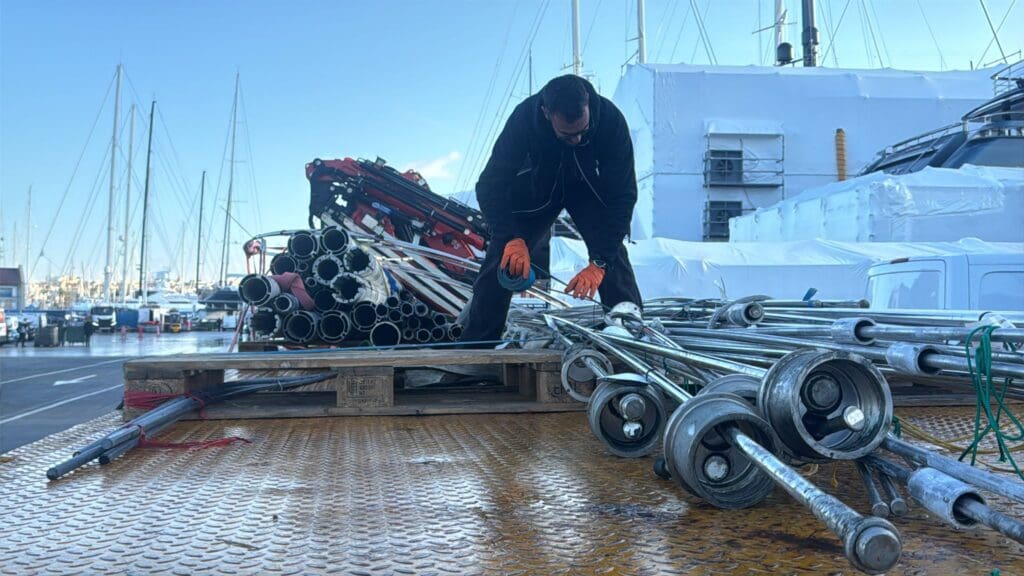
In rigging, this shift is particularly relevant. Large volumes of high-performance materials are consumed during refits, inspections, and replacements. Kevlar, Dyneema, rod rigging components, and associated packaging all carry environmental impact if not handled responsibly. The industry trend is clear, reduce waste where possible, recycle what cannot be reused, and plan works to minimise unnecessary material movement.
RSB Rigging has long operated with this mindset. Excess Kevlar, rope off-cuts, and other recyclable materials generated during rigging projects are systematically separated and recycled as part of standard working practice, not as an afterthought. This reflects a proactive, forward-thinking approach in which environmental awareness is integrated into day-to-day operations with the same discipline applied to safety and technical precision.
Efficient logistics are equally important. Careful planning of rigging operations reduces repeat visits, unnecessary transport, and material over-ordering. This improves project efficiency, limits disruption during refit periods, and lowers the overall environmental footprint of the work. For owners and Captains, the result is clearer scheduling, reduced downtime, and greater confidence in execution.
As expectations continue to evolve, sustainability in rigging is becoming a marker of professionalism rather than a marketing statement. Forward-thinking rigging companies are those that embed responsible material handling, efficient workflows, and practical environmental awareness into every project.
For RSB Rigging, this approach is simply part of how the job is done, consistently, quietly, and with long-term reliability in mind.
Technical Note: Material Recycling in Rigging Projects
Modern superyacht rigging works involve a range of high-performance materials that require responsible handling at end of life. Common recyclable materials include excess Kevlar and aramid rope off-cuts generated during terminations, selected synthetic running rigging materials where recycling streams are available, stainless steel components and fittings removed during upgrades, and associated packaging materials.
Effective recycling starts at the planning stage. Segregating materials during dismantling, identifying recyclable components early, and coordinating disposal with approved facilities reduces waste and prevents contamination of recycling streams. When built into standard workflows, this process supports safer working practices, cleaner refit environments, and more efficient project close-out, while aligning with the evolving expectations of owners, captains, and yards.


