During winter lay-up, standing rigging retains its tension while rig related mechanical systems may remain unused for several months. The maintenance considerations differ between structural components in yacht rigging, which continue to experience environmental loading, and equipment affected by prolonged inactivity.
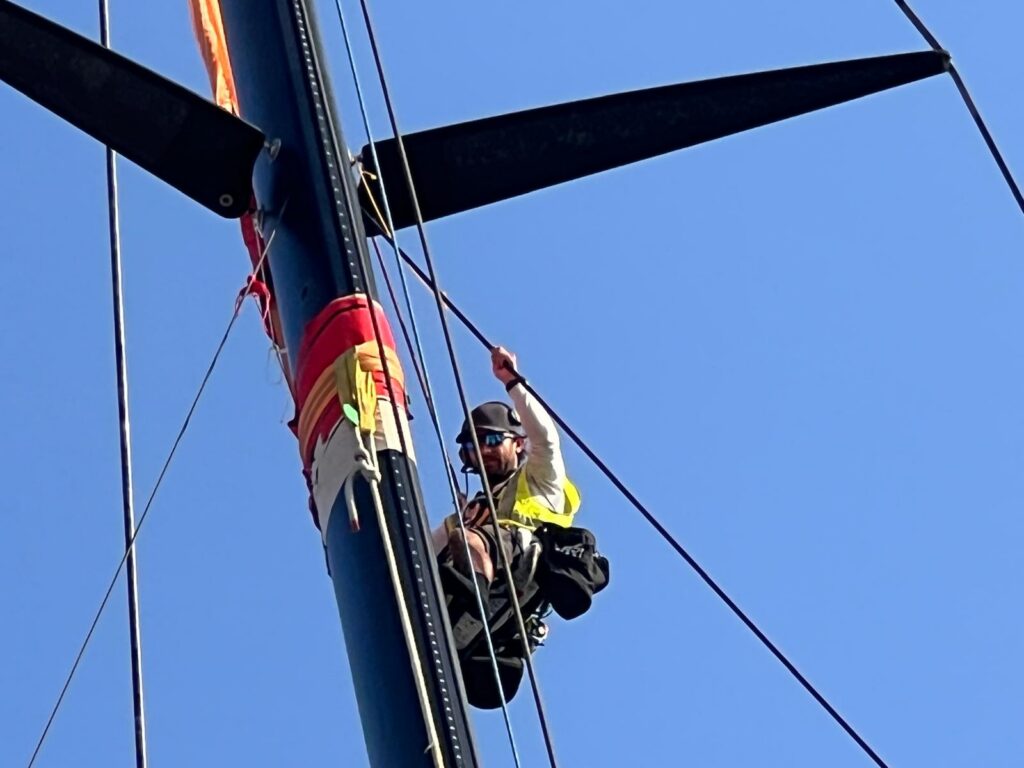
Mast and Standing Rigging
Wind can induce cyclic loading in a stationary rig creating mast movement and stay vibration caused by vortex shedding. The symptoms of this phenomena depend on tension, stiffness, mass and damping, while the potential for fatigue depends on stress amplitude and the number of cycles. Persistent vibration should be stopped and investigated for its cause and any associated fretting or deterioration at attachment points.
Temperature variations can alter standing rigging tension, particularly where carbon fibre masts are combined with metallic stays. Differences in thermal expansion, constrained by the rig’s geometry and stiffness, produce changes in tension that must be considered when comparing measurements taken under different conditions.
Stainless steel terminals, toggles and threaded connections are susceptible to crevice corrosion where moisture and chlorides accumulate within restricted interfaces. Aluminium mast structures may experience galvanic corrosion around dissimilar-metal fittings where protective isolation has deteriorated. On carbon fibre masts, the electrical conductivity of the laminate makes isolation from susceptible metallic components particularly important.
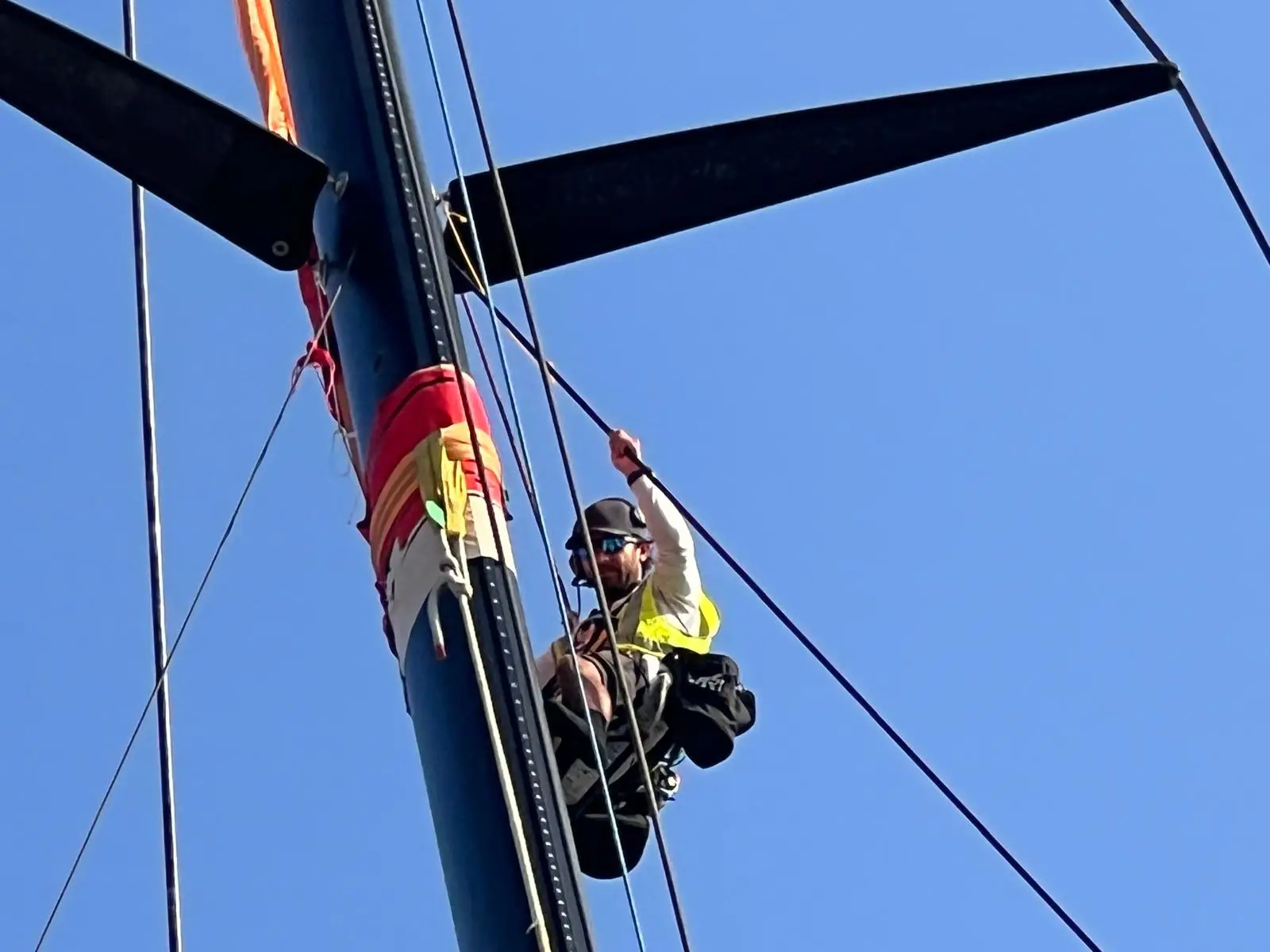
Inspection requirements depend on component construction, age, service history and previous findings. Suspected deterioration within inaccessible connections may require disassembly or suitable non-destructive examination. Removing structural rigging components requires an assessment of the loads they carry and provision of temporary support where necessary.
Standing rigging should not be slacked off solely because the yacht is laid up. Pretension maintains the mast’s designed support arrangement, and adjustments must be consistent with the rig specification and manufacturer’s requirements.
Mechanical Equipment and Running Rigging
Masthead sheaves and bearings can be affected by moisture ingress, salt contamination and lubricant deterioration. Corrosion or bearing damage may increase rotational resistance, while worn sheave grooves and misalignment can accelerate rope wear. Inspection should address bearing condition, axle security, groove geometry and freedom of rotation.
Furling equipment requires examination of bearings, rotating interfaces and drive assemblies. Hydraulic systems additionally require assessment of seals, hoses, connections and fluid condition. Where the furling assembly incorporates load-bearing rigging components, dismantling must follow an appropriate load-release and support procedure.
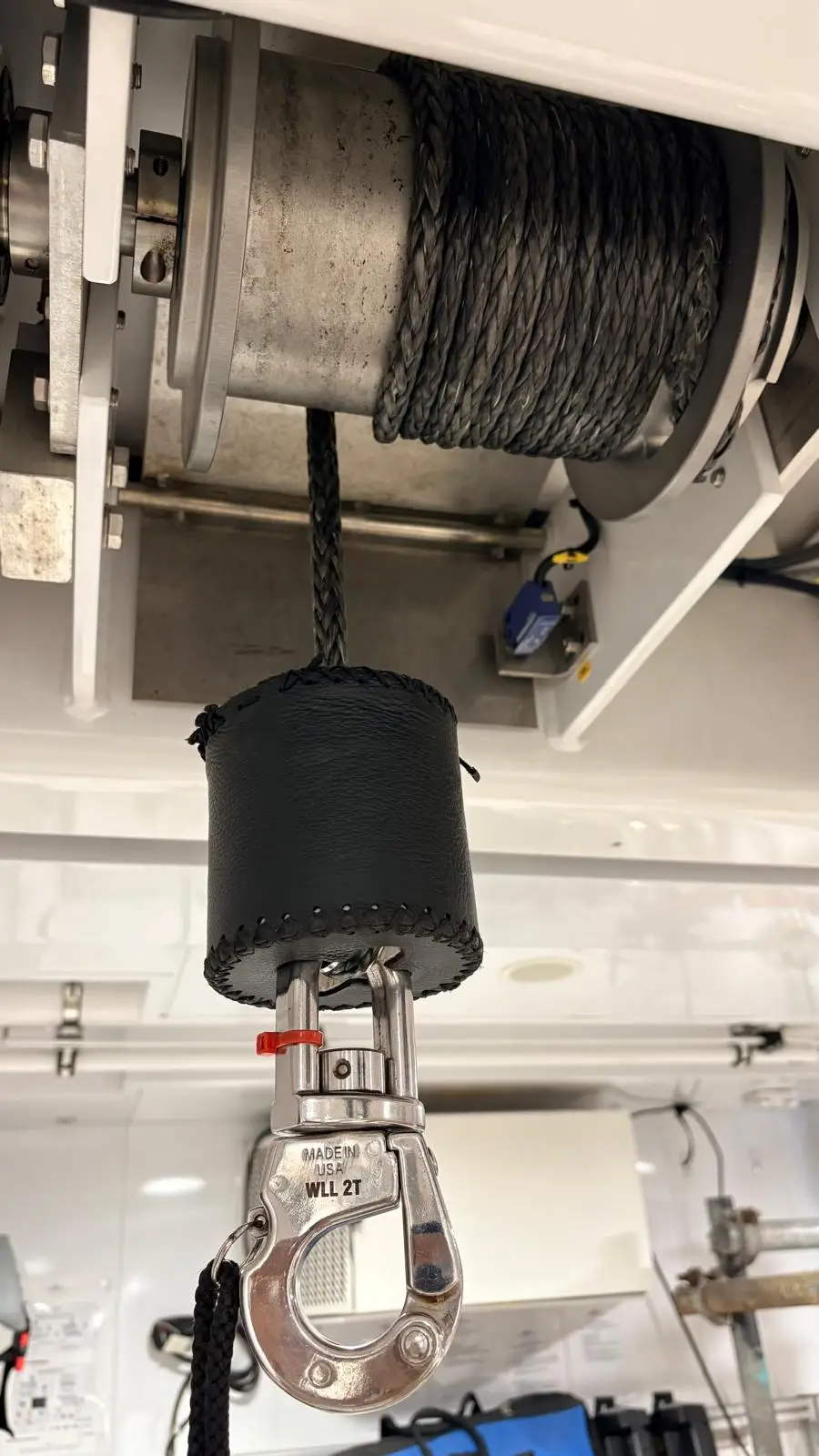
Winch maintenance should address gear assemblies, braking mechanisms and hydraulic or electric drives. Unloaded operation cannot establish the performance of a load-holding brake, which must be verified using the manufacturer’s specified procedure.
Running rigging requires examination for abrasion, fibre damage and deterioration at terminations or repeated contact points, applying the inspection and retirement criteria appropriate to the rope construction.
Winter Rigging Maintenance: What Should Be on the Checklist?
The winter maintenance checklist should begin with a review of what has happened to the rig during the previous sailing season. Heavy-weather passages, unusually high rig loads, recurring furling problems, changes in rig tension or damage identified during routine checks may all warrant further investigation. Previous inspection reports should be examined for outstanding defects and recommendations, while the age and service history of individual components help determine whether more detailed examination or replacement is due. This allows the winter work programme to be built around specific technical requirements, with sufficient time allocated for specialist inspections, component procurement and any necessary repairs.
Mast and Standing Rigging
- Review previous inspection reports. Identify outstanding recommendations, components approaching manufacturer-specified service or replacement intervals, and areas requiring further investigation.
- Examine terminals and structural connections. Check accessible toggles, pins, threaded fittings, chainplate connections and mast attachments for corrosion, deformation, fretting or evidence of movement.
- Investigate unusual vibration. If stay oscillation or mast movement has been observed alongside, assess the affected components and their attachment conditions before making tension adjustments.
- Check rig tension against recorded settings. Where measurements are required, account for temperature and measurement conditions. Do not detension the rig simply because the yacht is laid up.
- Assess mast fittings and material interfaces. Examine coating breakdown, corrosion around dissimilar-metal connections and accessible bonded fittings, with particular attention to known problem areas.
- Plan access to concealed components. Where inspection findings justify disassembly or non-destructive testing, establish the necessary access and temporary structural support before work begins.
Mechanical Equipment and Running Rigging
- Inspect masthead sheaves. Examine grooves, bearings, axles and alignment for wear, contamination or restricted movement.
- Service furling systems. Follow manufacturer-specified maintenance procedures for bearings, drive mechanisms and rotating assemblies, including hydraulic components where fitted.
- Check winches and braking systems. Examine mechanical drives and controls, and verify load-holding functions using the prescribed test procedures.
- Inspect running rigging. Check high-wear areas, terminations and sections exposed to repeated contact, applying the relevant rope manufacturer’s retirement criteria.
- Review servicing intervals. Identify equipment requiring specialist overhaul, replacement parts or manufacturer involvement before the refit schedule is finalised.
Before Returning to Sailing
- Confirm that outstanding inspection findings have been resolved or formally assessed.
- Verify the assembly, alignment and tension of any standing rigging disturbed during maintenance.
- Complete the specified functional checks and testing of serviced mechanical equipment.
- Update maintenance records, inspection reports and relevant certification.
- Arrange sailing trials and final tuning where required by the work undertaken.
RSB Rigging’s Recommendation
We recommend reviewing the previous season’s rigging reports before the yacht enters the yard, particularly where mast removal or other refit work is already planned. This allows specialist inspections, component replacements and associated engineering work to be incorporated into the yard schedule rather than left until recommissioning.
For yachts retaining their masts throughout winter, the priority should be a targeted inspection based on known wear points, component history and manufacturer requirements, rather than unnecessary dismantling of serviceable equipment.