
A piece of rigging or lifting equipment can be physically sound and still present a non-compliance problem when its history cannot be demonstrated.
For yachts operating under Flag and Class requirements, inspection and testing are only part of the picture. Identification, certification, previous examination records, equipment specifications and traceability can all form part of the evidence required to establish that equipment remains suitable for service.
This is where documentation becomes operationally important rather than simply administrative.
Inspection and Load Testing Are Different Activities
Inspection and load testing answer different questions.
An inspection assesses the condition of the equipment and looks for deterioration, damage, deformation, corrosion, wear, incorrect assembly or other factors that may affect continued service.
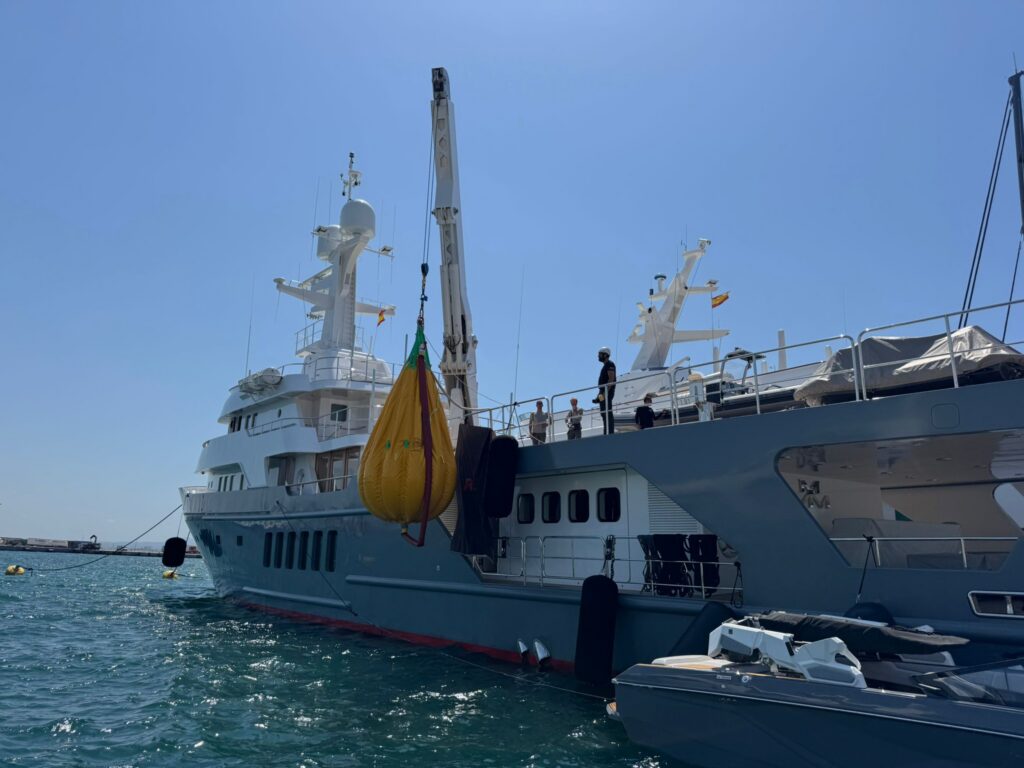
A load test applies a specified load under controlled conditions and records the response of the equipment or system.
Neither should automatically be considered a substitute for the other.
Equipment can pass a load test while still having deficiencies that require attention, just as an item may appear satisfactory during visual examination while still requiring periodic testing under the applicable regime.
The correct combination depends on the equipment, its use and the relevant requirements.
The Equipment Has to Be Identifiable
Before previous certification can be relied upon, it has to be possible to establish that the certificate relates to the equipment being examined.
Identification may include serial numbers, equipment markings, WLL or SWL information where applicable, manufacturer information and other unique references.
If those links are missing, establishing traceability becomes considerably more difficult.
A certificate relating to an apparently identical component is not necessarily evidence for the component actually installed onboard.
For survey purposes, the relationship between the physical item and its documentation has to be clear.
Previous Records Matter for Compliance
Rigging equipment does not exist only at the moment it is inspected.
Its previous use, inspection history, testing and modifications may all be relevant to determining what needs to happen next.
Complete records can show when equipment was last examined, what testing was undertaken, which criteria were applied and whether defects or recommendations were recorded.
When records are missing, the current inspection has to begin with less information which can result in additional examination, testing or investigation being required before the equipment’s status can be established.
Modifications Need to Be Recorded
Changes made during the life of an installation are particularly important.
A component may have been replaced. Attachment geometry may have changed. A new tender, passerelle or item of equipment may impose different loads from those originally envisaged.
If those changes are not reflected in the yacht’s technical records, the documentation may no longer describe the system that is physically onboard. This can create an obvious problem when the equipment is later inspected or presented for survey.
The inspector can assess what is in front of them, but historical certificates based on a different configuration cannot simply be assumed to remain applicable.
A Certificate Needs Context
A load test certificate is valuable evidence, but the number printed on it should not be considered in isolation.
The useful record identifies what was tested, the relevant equipment, the test load and the outcome, together with the appropriate supporting information for the test undertaken.
Where a custom installation is involved, the documentation behind the test may be equally important because it establishes why that particular test load was appropriate for compliance.
The documentation should allow someone reviewing the equipment later to understand the basis on which it was accepted.
Missing Documentation Can Become a Survey Issue
The physical condition of equipment and its documentary status are separate matters.
An installation may appear to be in good condition, but if the yacht cannot demonstrate the necessary examination, testing or certification history, a surveyor may still require further evidence before accepting it.
That is why record retention matters.
Certificates filed ashore, reports held by previous management companies, documents that cannot be matched to individual components and incomplete records following ownership or management changes can all create unnecessary problems when the yacht is preparing for survey.
Good documentation makes the history of the equipment visible.
Keep the Evidence with the Equipment
The most useful records are those that remain connected to the equipment throughout its service life: Maintaining clear identification, retaining inspection and test reports, recording modifications and ensuring replacement components are incorporated into the yacht’s documentation can save time, money, and many headaches.
For custom equipment, the relevant design and fabrication information should always remain traceable where required.
Having this documentation available makes subsequent inspections more efficient because the inspector is not starting from zero each time.
It also makes it considerably easier to demonstrate the equipment’s status when requested by Flag, Class or another authorised party.
Compliance Is Based on Evidence
Inspection establishes condition; testing provides evidence of performance against a defined test requirement; certification records what was done. Together, those records allow the yacht to demonstrate the status of its equipment.
Without that chain of evidence, a physically sound installation may still require further work before its suitability can be demonstrated.
Continuity between installation, inspection, testing and certification can make that chain considerably easier to maintain. When multiple contractors are involved at different stages, responsibility for records can become fragmented and information about modifications, previous testing or the original installation can be lost between parties… and compliance issues can come into question.
Where RSB Rigging manages the process through each stage, the physical work and the supporting technical record remain connected. For the yacht, that means clearer traceability and fewer gaps to resolve when the equipment is subsequently inspected or presented for survey.


